INMT Inhibitor
Welcome to the VIR INMT Inhibitor Forum!
At Visionary Intelligence Research, we are committed to advancing medical science through bold, collaborative innovation. Our mission is to accelerate breakthroughs in psychiatry, neuroscience, and precision medicine — with a current focus on INMT Inhibitors: targeted compounds that modulate Indolethylamine N-methyltransferase (INMT), the key enzyme responsible for the endogenous biosynthesis of N,N-dimethyltryptamine (DMT) and related tryptamines.
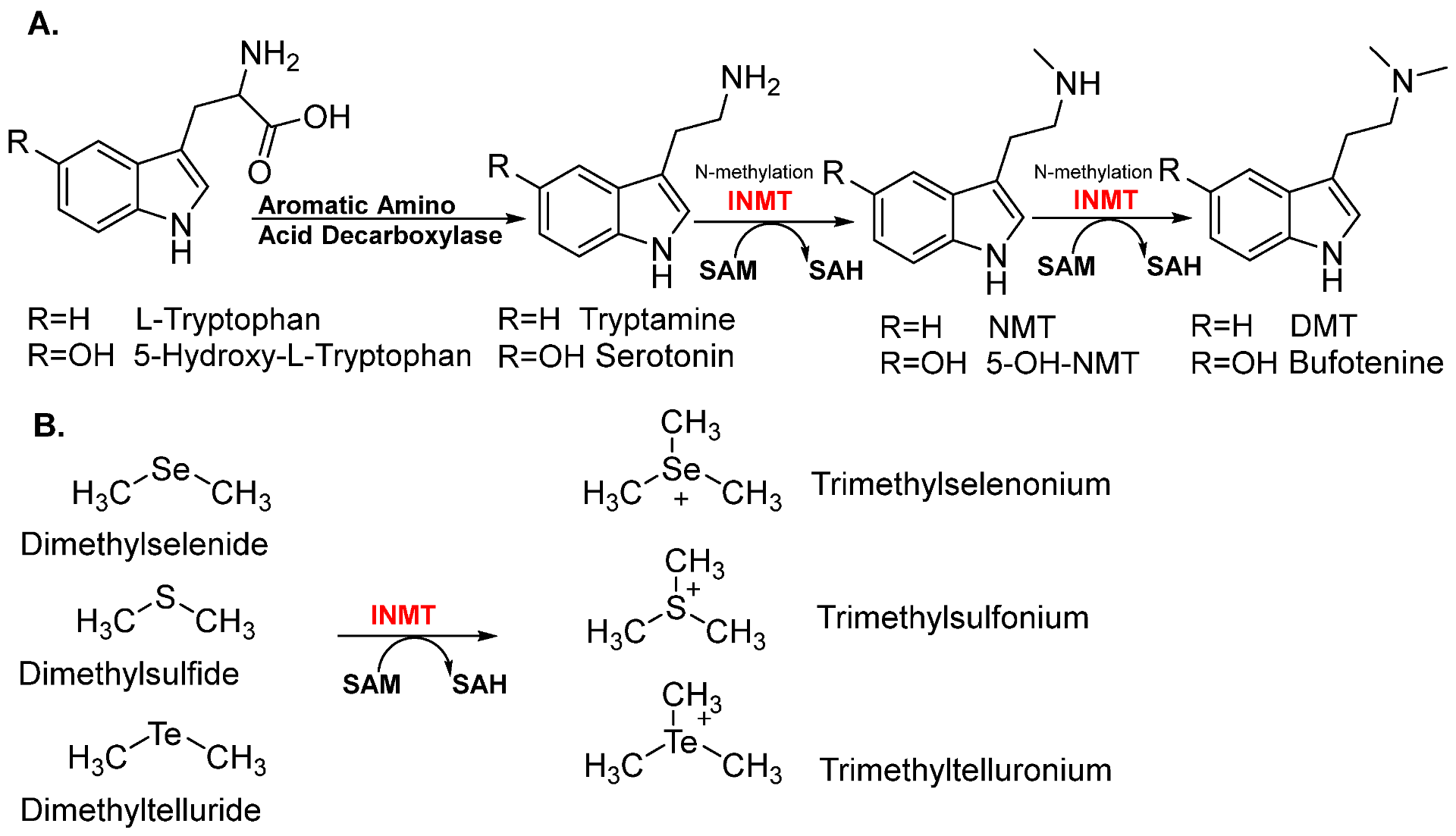
INMT inhibition represents a promising new approach in psychiatric and neurological medicine. By regulating the body's natural production of these potent signaling molecules, selective inhibitors could help normalize dysregulated neurochemistry implicated in treatment-resistant depression, bipolar disorder, schizophrenia-spectrum conditions, PTSD, and other disorders. This mechanism offers the potential for more precise therapeutic effects at the source of endogenous psychedelic pathways, possibly with improved tolerability compared to broad-spectrum antipsychotics or antidepressants.
Key Horizons for Brainstorming
We invite clinicians, pharmacologists, neuroscientists, medicinal chemists, and psychiatrists to explore:
- Development of selective, high-affinity INMT inhibitors (small molecules, natural derivatives, or biologics)
- Enzyme kinetics, pharmacokinetics, blood-brain barrier penetration, and metabolic profiles
- Therapeutic applications: dosing strategies, clinical efficacy for specific mental health conditions, and biomarker-guided treatment
- Safety, long-term effects on consciousness, mood regulation, and neuroplasticity
- Interactions with existing therapies and potential for personalized medicine approaches
- Ethical and regulatory pathways for advancing these compounds into clinical trials
This forum is an open collaborative space for:
- Sharing peer-reviewed studies, clinical observations, molecular modeling, and preclinical data
- Brainstorming novel inhibitor designs, delivery methods, and combination therapies
- Discussing mechanisms of action, patient outcomes, and real-world translational challenges
- Building responsible research frameworks focused on safety, efficacy, and patient benefit
Whether you're a practicing clinician, academic researcher, pharmaceutical developer, or healthcare professional with insights into mental health treatment, your expertise is invaluable. Post case observations, research findings, hypotheses, critiques, or proposed trial designs. Let's work together to rigorously evaluate and advance this medical frontier.
Mastering the regulation of endogenous neurochemical pathways like INMT could transform treatment options for millions living with mental health challenges and deepen our understanding of human consciousness. If we can develop safe and effective INMT inhibitors, this is where the next chapter of psychiatric medicine begins.
Let the brainstorming commence!
Visionary Comments (0)
- Loading comments…